Commercial gardeners for Orpington shops and offices
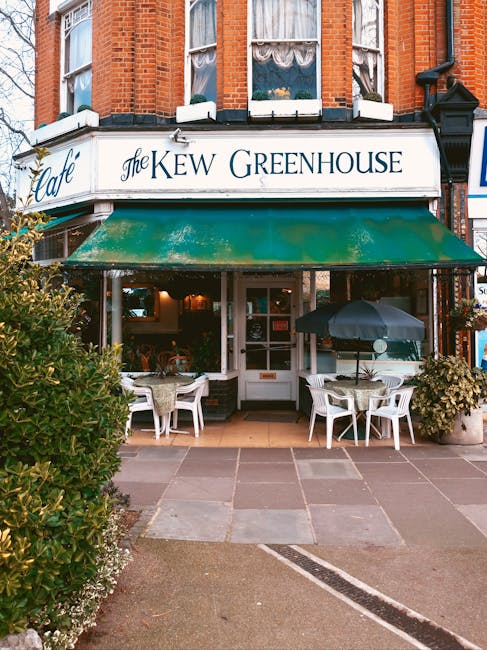
If your shop front or office exterior in Orpington has started to look a bit tired, you are not alone. Rain, shade, foot traffic, weeds in the paving and that never-ending battle with seasonal growth can make even a smart business look neglected. That is exactly where Commercial gardeners for Orpington shops and offices come in: keeping outdoor spaces neat, safe, presentable and easy to manage without turning it into another job for your team.
In practice, good commercial garden care is less about making things "pretty" for a day and more about steady upkeep that supports the image, accessibility and day-to-day function of the premises. Whether you run a retail unit, manage a small office courtyard, or look after multiple business fronts, the right approach can save time, reduce hassle and make a strong first impression before a customer even reaches the door.
This guide breaks down what commercial gardening involves, how it works, where the value really lies, and what to look for when choosing a service for a busy commercial site. No fluff. Just the useful bits, with a few local realities mixed in.
Why Commercial gardeners for Orpington shops and offices Matters
Commercial premises live or die on presentation. A tidy entrance, clipped hedges, clean hard landscaping and healthy planting all quietly tell visitors the same thing: this business pays attention to detail. That matters whether your customers are popping in for five minutes or whether staff are arriving every morning and passing the same scruffy corner on the way in.
For shops, the outside space is part of the brand. For offices, it is part of the working environment. And for both, outdoor neglect tends to be noticed quickly. Weeds creep up through paving, planters dry out, shrubs become overgrown, and ivy starts acting like it owns the place. If you want a visual example of how invasive growth can get out of hand, the site's article on ivy removal is a useful reminder of why early action matters.
There is also a practical side. Poorly maintained paths, clogged drains, slippery algae on paving and low-hanging growth can create avoidable hazards. In a commercial setting, small issues become reputational issues very quickly. Nobody wants a client arriving, stepping around dead foliage, and wondering whether the business is equally untidy behind the scenes. Harsh? Maybe. True? Also yes.
Orpington businesses also deal with the usual UK growing-cycle realities: wet springs, summer growth surges, autumn leaf fall and winter die-back. A garden that looks fine in April can look surprisingly abandoned by August if it is left alone. Routine care keeps a site looking intentional, not accidental.
How Commercial gardeners for Orpington shops and offices Works
Commercial garden maintenance usually starts with a site review. That review looks at what is planted, what is hard landscaped, where the light falls, how often people use the area, and what kind of maintenance schedule the property actually needs. A small office courtyard has different needs from a shop frontage with planters, a rear service yard and a visible customer entrance.
From there, the work is often organised into repeat visits. Some sites need weekly attention; others only need fortnightly or seasonal care. That schedule may include lawn mowing, hedge trimming, pruning, edging, weeding, litter clearance, patio cleaning, planting refreshes and general garden maintenance. If you are comparing a broader set of options, it can help to look at the structure of professional gardening services and how they are typically combined for business premises.
Good commercial gardeners do not just "do the garden." They think in terms of operational flow. Can they work before opening hours? Will they need access via a rear gate? Are there parking restrictions? Is there a time window when staff and customers are least likely to be disrupted? Those small logistics make a big difference on a commercial site.
For some properties, the work may also include more specialist services. For example, if the site has tired turf, patchy grass or compacted ground near entrances, a more targeted plan using lawn care may be appropriate. If the exterior includes a small decked seating area for staff or customers, decking services may sit alongside the maintenance schedule too.
And yes, a lot of the job is making sure the place simply looks cared for. That sounds simple. It isn't always simple, but it is absolutely worth doing properly.
Key Benefits and Practical Advantages
The main benefit is obvious: the site looks better. But the real value goes deeper than appearance. Commercial garden maintenance can support customer confidence, staff wellbeing, safety and even how efficiently your own team works around the premises.
- Better first impressions: A clean, orderly exterior gives visitors an immediate sense of professionalism.
- Safer access: Regular clearance of overgrowth, moss, dead leaves and debris helps keep paths and entrances easier to navigate.
- Lower long-term repair risk: Early attention to growth, roots, drainage and boundary issues can prevent more expensive work later.
- Less internal admin: Your staff are not being asked to trim hedges between meetings or pull weeds on the doorstep before opening.
- More consistent presentation: A weekly or fortnightly plan prevents the "it was fine last month" problem.
- Improved staff morale: A neat external space changes the feel of the workday. People notice that.
There is a quieter benefit too: predictability. When maintenance is handled professionally, business owners and office managers do not need to keep reacting to whatever has gone wild this week. That alone can be a relief. Honestly, it is one less thing eating into your day.
For businesses that also use patios, forecourts or outdoor customer areas, cleaning and upkeep can make a big visual difference. A refreshed hard surface paired with healthy planting is far more convincing than one good-looking planter surrounded by cracked, weed-filled paving. If that combination matters on your site, it may be worth looking at patio cleaning as part of the wider maintenance plan.
Who This Is For and When It Makes Sense
Not every business needs the same level of care, but plenty need more than "someone will get to it eventually." If you manage a shop, salon, clinic, office block, small business unit, or mixed-use premises in Orpington, commercial gardening becomes worthwhile when the outside area affects reputation, safety or usability.
This especially makes sense if:
- customers see the front garden, planters, entrance beds or boundary planting;
- staff use an outdoor break area or courtyard;
- the site has hedges, lawns or shrubs that grow quickly through the warmer months;
- you need reliable presentation before weekday opening hours;
- the property has been left with inconsistent maintenance for a while;
- you are preparing for a lease handover, inspection or property refresh.
It also makes sense when internal staff are being pulled into jobs that are not really their job. Let's face it, asking the office administrator to manage overgrown shrubs is not a long-term strategy. It might work for a week or two. After that? Not so much.
For landlords or facilities teams, a commercial gardener can also be useful when multiple tenants or business users share responsibility. A clear maintenance plan avoids arguments, missed tasks and the "I thought someone else was sorting that" problem.
Step-by-Step Guidance
If you are arranging maintenance for a commercial property, this is the simplest way to approach it without overcomplicating things.
- Walk the site properly. Look at entrances, car park edges, service areas, shaded corners, planter beds, hedges and any awkward spots where growth builds up.
- Decide what matters most. Some businesses need presentation first. Others need safety, access or low-maintenance planting first. That changes the plan.
- Identify recurring problems. Repeated weed growth, leaf build-up, poor drainage, damaged turf, ivy, and patchy hedges all point to different solutions.
- Choose a maintenance frequency. Weekly, fortnightly or seasonal visits should be based on the pace of growth and how visible the area is to the public.
- Match the service to the site. A frontage with lawns may need mowing and edging, while a paved entrance may need cleaning and planting management more than turf care.
- Build in seasonal tasks. Spring tidy-ups, summer growth control, autumn leaf clearance and winter preparation should be planned rather than improvised.
- Review after the first few visits. Good commercial garden care is adjusted as the site settles. That is normal, not a sign something went wrong.
One useful habit is to take a few quick photos of the site before work starts. Nothing fancy. Just enough to compare progress later. It gives everyone a shared reference point, which helps when a business wants to see where the time and money is going.
If your premises have boundary issues or tired screening, you may also need help with fencing to finish the job properly. Sometimes the garden is fine, but the frame around it lets the side down.
Expert Tips for Better Results
After years of looking at commercial properties, a few patterns become very obvious. The places that stay smart are rarely the ones with the most expensive planting. They are the ones with the most sensible maintenance plan.
1. Keep planting simple where people walk and look
Busy entrance areas benefit from tough, structured planting rather than fragile displays that need constant rescue. Low-maintenance shrubs, compact hedging and smart containers usually perform better than delicate seasonal bedding that fades fast. If you want ideas for resilient planting styles, the post on container gardening is worth a look because pots can work brilliantly at entrances and forecourts.
2. Plan for shade, wind and seasonal stress
Commercial sites are often exposed in ways back gardens are not. Tall buildings can create wind tunnels. Adjacent walls create shade. Pavement heat and reflected light can dry out planters faster than expected. A good gardener chooses plants and maintenance methods with those conditions in mind, not just by appearance.
3. Keep the edges sharp
Clean edges on lawns, beds and paths make a site look managed, even before anyone notices the planting itself. It is a tiny thing, but tiny things stack up. The same applies to hedges: consistent trimming gives a business a structured look rather than a half-finished one.
4. Avoid overplanting
It is tempting to fill every bare patch. But overcrowding can create future headaches: poor airflow, more disease risk, extra pruning, and a cluttered appearance. Space is not wasted space. Sometimes it is what keeps a frontage looking elegant instead of busy.
5. Use maintenance as design
That sounds a bit grand, but it is true. A garden that is easy to maintain is usually a better-designed garden. For commercial premises, that means choosing features that will still look good after a busy month, not just on installation day.
And if your business wants a front area that feels calmer rather than cluttered, there are helpful ideas in the article on designing a zen garden. Even a small commercial space can borrow that principle: less noise, more order.
Common Mistakes to Avoid
A lot of commercial outdoor space problems are not dramatic. They are just neglected for long enough to become annoying. Here are the mistakes worth avoiding.
- Leaving maintenance until it looks "really bad" instead of dealing with it while it is still manageable.
- Choosing the cheapest possible schedule without checking whether it actually matches growth levels.
- Assuming one-off tidy-ups solve everything when the site really needs ongoing care.
- Ignoring the back of the property because it is less visible. Rear service areas still collect weeds, rubbish and grime.
- Using staff for ad hoc gardening when the work requires the right tools and a consistent standard.
- Overlooking seasonal changes and then acting surprised when spring growth or autumn leaf fall arrives. It always does, by the way.
- Forgetting about access such as gates, parking, delivery times and customer flow.
A common real-world issue is this: a business trims back visible growth, but leaves hidden problems alone. Ivy in the wrong place, weeds under planters, compacted turf, blocked drainage, or slippery paving can quietly undo the good work. The result is a site that looks tidy from ten metres away and tired up close. That is not ideal.
Tools, Resources and Recommendations
Commercial gardeners use a different toolkit depending on the site, but the most useful approach is still simple: match the equipment to the job and avoid overcomplicating the process. For most shops and offices, you want reliable tools that support neat, repeatable work rather than flashy one-off fixes.
Commonly useful tools and methods include:
- professional mowers and edging tools for defined lawn areas;
- hedge cutters and hand pruners for shaping and control;
- weed removal tools and mulch strategies for beds and hard surfaces;
- pressure or patio cleaning equipment for paved customer areas;
- leaf clearance tools for autumn maintenance;
- containers and planting media for entrances and small frontage displays;
- basic protective equipment for safe site work.
For business owners who want to understand broader maintenance options, the site's garden maintenance page gives a sensible overview of the kind of work that can be bundled into one routine. If turf is a major feature, lawn mowing may be part of that schedule too, especially where neatness is visible from the street.
Some sites need a mix of plant care and structural improvements. If trees are becoming awkward, shading windows or shedding too much debris, you may need tree surgery rather than just regular maintenance. And if the front area has become shabby through traffic and weather, pairing gardening with landscaping can make the whole site feel coherent again.
One tiny but important note: the best "resource" is often a maintenance rhythm. Consistency beats heroic bursts of effort every time.
Law, Compliance, Standards, or Best Practice
For commercial premises, the legal and practical side matters. You do not need to turn garden maintenance into a paperwork marathon, but you should think carefully about safety, access and responsibility.
Best practice usually means:
- carrying out work in a way that does not create avoidable hazards for staff, visitors or passers-by;
- making sure maintenance tasks are planned around opening times and site access;
- using appropriate equipment and protective measures;
- keeping walkways, entrances and exits clear;
- being sensible about pruning, lifting and chemical use where applicable;
- documenting important site instructions and recurring issues.
For businesses, it is also wise to align maintenance with internal health and safety expectations. If a gardener is working near deliveries, loading bays, public access points or shared staff areas, communication matters. A quick briefing before work starts can prevent silly issues. Silly issues are often the ones that cost time, which is annoying in a very British way.
It is worth looking at the company's own health and safety policy and insurance and safety information before any regular commercial arrangement is agreed. If you are comparing providers, you may also want to check their terms and conditions, payment and security, and how they handle complaints. That is not being fussy. That is being sensible.
Accessibility should not be overlooked either. Good external maintenance helps keep entrances and routes easier to use, and a business with public-facing premises should think carefully about that from the start.
Options, Methods, or Comparison Table
There is no single right way to maintain a commercial exterior. The right option depends on visibility, budget, site size and how fast things grow. Here is a practical comparison.
| Approach | Best for | Strengths | Limitations |
|---|---|---|---|
| One-off tidy-up | Pre-event refreshes, handovers, urgent resets | Fast improvement, useful when the site has slipped | Problems return quickly without follow-up care |
| Weekly maintenance | Busy shops, visible entrances, fast-growing sites | Consistent appearance and strong presentation | Higher ongoing commitment |
| Fortnightly maintenance | Smaller offices, moderate planting, lower growth pressure | Good balance of cost and upkeep | May be too slow during peak growing seasons |
| Seasonal maintenance | Low-visibility areas or properties with limited planting | Simple and budget-friendly | Can miss issues if the site is heavily used |
For many Orpington shops and offices, a mixed approach works best: more frequent light-touch visits in growing months, then a reduced but still sensible winter schedule. That is usually the sweet spot. Not too much. Not too little.
Case Study or Real-World Example
Here is a realistic example. Imagine a small office building with a visible front strip, two planters by the entrance, a narrow side path and a rear bin area. Nothing huge. Nothing extravagant. But enough for the space to influence how the property feels.
At the start, the front planters are patchy, the side path has weeds in the joints, and the back area has collected leaves and old growth. Staff are embarrassed when visitors arrive. The site is not unsafe in a dramatic way, but it does feel a bit unloved.
The solution is not reinventing the whole place. It is straightforward:
- clear the rear and side access areas;
- remove weeds and tidy the paving;
- refresh the planters with hardy, structured planting;
- set a repeat maintenance schedule;
- check the boundary planting and trim any awkward growth.
Within a few visits, the whole building feels calmer. Visitors arrive to a sharper frontage. Staff stop noticing the mess every time they come in. And the property suddenly looks like someone cares about it, which, to be fair, is a big part of the battle.
In many cases, that kind of transformation does not require massive works. It requires routine, a decent eye, and the discipline to keep going once the first tidy-up is done. Simple, but not always easy.
Practical Checklist
Use this checklist if you are planning commercial garden care for a shop or office in Orpington.
- Review the front, side and rear external areas.
- List visible issues and safety concerns.
- Decide what needs weekly, fortnightly or seasonal attention.
- Check whether lawns, hedges, trees, hard landscaping or planters are the priority.
- Confirm access times and any site restrictions.
- Ask how the work will be scheduled around opening hours.
- Check insurance, safety practices and service terms.
- Make sure hard surfaces, edges and entrance areas are included, not just planting.
- Plan for seasonal changes and recurring growth periods.
- Review the first few visits and adjust the plan if needed.
If you want a broader sense of what low-effort presentation can look like, the article on budget-friendly low-maintenance garden ideas offers a few useful principles that translate well to commercial settings too.
Conclusion
Commercial outside spaces do not need to be complicated to make a strong impression. They need to be clean, consistent and looked after before problems become obvious. That is the real value of Commercial gardeners for Orpington shops and offices: less scrambling, fewer surprises, and a site that feels quietly professional every day rather than only after a last-minute tidy-up.
Whether you are dealing with a shop frontage that needs sharper edges, an office courtyard that has become a bit overgrown, or a property that simply needs a proper maintenance rhythm, the smartest move is usually the same: keep it regular, keep it simple, and keep it safe.
Get a free quote today and see how much you can save.
And if you are ready to talk through the best approach for your premises, start with the simplest step of all: contact the team and ask what fits your site, your schedule and your budget.
Frequently Asked Questions
What do commercial gardeners do for shops and offices?
They handle regular outdoor upkeep such as mowing, hedge trimming, pruning, weeding, planting refreshes, patio cleaning and general garden maintenance so the property stays tidy and presentable.
How often should a commercial site be maintained?
It depends on the site, but many shops and offices benefit from weekly or fortnightly visits during the growing season. Lower-visibility properties may only need seasonal attention. The right schedule is based on growth, use and visibility.
Is commercial garden maintenance different from domestic gardening?
Yes. Commercial work usually needs more attention to scheduling, access, consistency, safety and presentation. There is often a stronger need for reliable timing because the site may welcome customers or staff every day.
Can a commercial gardener help with a small office courtyard?
Absolutely. Small courtyards can be some of the most worthwhile spaces to maintain because they are often visible to staff and clients. Even modest improvements can make the area feel much more usable.
What if my business only needs a one-off tidy-up?
That can be a sensible starting point, especially if the site has been neglected or needs a reset before a viewing, lease event or seasonal change. Just bear in mind that ongoing maintenance is what keeps the improvement in place.
Do commercial gardeners work around business opening hours?
They usually can, yes. Many commercial visits are planned early in the morning, between quieter periods or at other times that reduce disruption. Access and timing should always be discussed in advance.
What should I check before hiring a gardener for my business?
Look at insurance, safety practices, service scope, communication, payment terms and complaint handling. It is also sensible to confirm exactly which areas are included, especially entrances, rear access and hard landscaping.
Can commercial garden care include hard surfaces too?
Yes. Many premises benefit from a mix of planting care and hard surface upkeep. Paving, patios, paths and entrances often need as much attention as the beds and shrubs.
What kind of businesses usually need this service most?
Shops, office buildings, salons, clinics, business units and mixed-use premises often need regular external maintenance because their outdoor appearance influences how people feel about the business before they even enter.
How do I keep costs under control?
The best way is to be clear about priorities and avoid overcomplicated planting or unnecessary one-off fixes. A well-planned schedule, sensible planting choices and clear expectations usually keep costs steadier over time.
Is it worth maintaining the rear or side areas if customers do not see them?
Yes. Those areas still affect safety, access and overall site condition. Neglected back-of-house spaces often become the source of bigger problems later, so they are worth including from the start.
How do I know if I need garden maintenance or landscaping?
If the space mainly needs ongoing care, maintenance is usually the right fit. If the layout, structure or planting plan itself needs changing, landscaping may be more appropriate. In some cases, the best result comes from combining both.