Common garden maintenance mistakes Orpington homeowners avoid

Garden upkeep can look straightforward from the kitchen window. A quick mow, a bit of weeding, maybe a trim at the weekend - job done, right? In reality, the small mistakes creep in slowly. And in Orpington, where gardens often juggle clay soil, seasonal rain, shade, and those oddly blustery days that seem to arrive out of nowhere, the wrong routine can turn a decent garden into a constant repair job.
This guide on Common garden maintenance mistakes Orpington homeowners avoid is written to help you spot the habits that quietly damage lawns, borders, hedges, paths, fences, and planting schemes. We'll look at what usually goes wrong, why it matters locally, and how to make your maintenance more effective without making it complicated. A few changes now can save a lot of elbow grease later. Truth be told, that's usually the point.
Why Common garden maintenance mistakes Orpington homeowners avoid Matters
Gardens in Orpington are often a mix of mature planting, family use, narrow side access, and hard landscaping that has to cope with everyday wear. That makes maintenance decisions feel more important than they might in a brand-new plot. One missed hedge trim is rarely a disaster. A pattern of poor maintenance, though, can lead to patchy lawns, blocked drains, slippery patios, damaged fences, and plants that never quite settle.
The biggest issue is that garden problems usually compound quietly. For example, mowing too short does not look serious on day one. But a few weeks later, the grass can dry out faster, weeds move in, and the lawn starts to thin. Similar things happen with hedges left too long, soil left compacted, or ivy left to run unchecked. If you've ever pulled one "small" weed and ended up with half a border exposed, you'll know the feeling.
In local gardens, weather matters too. Mild damp spells can encourage moss and fungal issues, while wind exposure can snap stems or dry out containers surprisingly quickly. That is why a sensible maintenance routine matters more than a heroic one-off effort. Regular, modest attention tends to work better than a big tidy-up once every few months.
Expert summary: The best-maintained gardens are not the ones worked on hardest; they are the ones cared for consistently, with the right task done at the right time.
If you want a broader picture of planning and upkeep across different garden features, the garden maintenance service overview is a useful starting point, especially if your outdoor space needs more than a simple weekend reset.
How Common garden maintenance mistakes Orpington homeowners avoid Works
Good garden maintenance is really just a sequence of small, sensible choices. You observe the garden, decide what needs attention first, and avoid doing a job in a way that creates extra work later. Sounds obvious, but plenty of problems come from rushing or copying advice that fits a very different garden style.
In practice, avoiding common mistakes usually means working with the garden you have, not the garden you wish you had. A shady back border needs different treatment from a sun-baked patio edge. A lawn with heavy foot traffic needs different care from ornamental turf. A hedge along a boundary needs different attention from a decorative topiary shape, and yes, that distinction matters more than people think.
The process generally works like this:
- Inspect first. Look for weeds, compaction, dead growth, poor drainage, pest signs, and overgrown sections before you start cutting or feeding.
- Match the task to the season. Some jobs are best done in cool, damp weather; others need a dry spell or a dormant period.
- Use the right cut, depth, or product. More is not better with fertiliser, pruning, or herbicide. Often it is the opposite.
- Protect weak areas. Newly planted beds, stressed shrubs, and waterlogged lawns need gentler handling.
- Review the result. Leave the garden tidy enough to recover quickly, not so stripped back that it struggles for weeks.
If your garden includes climbing plants or old boundary coverage, timing becomes even more important. For example, problems with invasive growth often need careful, staged handling rather than a blunt cutback. There's a good reason many homeowners read up on ivy removal done properly before taking on a wall or fence that has been smothered for years.
Key Benefits and Practical Advantages
Avoiding maintenance mistakes does more than make the garden look neat. It changes how much time, money, and frustration you spend on the space over the year.
Here are the benefits people usually notice first:
- Healthier lawns. Grass recovers better when it is cut, watered, and fed properly instead of being stressed by bad timing or overcutting.
- Longer-lasting planting. Shrubs and perennials establish more reliably when pruning and feeding are matched to their needs.
- Less weed pressure. A well-kept border with healthy ground cover gives weeds fewer gaps to exploit. If you want more ideas on that front, this guide to ground cover plants is genuinely useful.
- Safer outdoor surfaces. Moss, algae, fallen debris, and overhanging growth can make patios and paths slippery.
- Lower repair costs. Catching problems early is almost always cheaper than sorting out collapsed fencing, root damage, or neglected planting beds.
- Better use of space. A garden that is maintained well becomes more usable for entertaining, children, pets, and everyday quiet time.
There is also a quality-of-life angle. A tidy, balanced garden tends to feel calmer. You hear birds rather than hedge trimmers, see clear lines rather than clutter, and notice the plants you actually meant to keep. Small thing, maybe. But it changes how you use the space.
For homeowners who want a lower-effort garden without letting it slide, browsing low-maintenance garden ideas can help you choose planting and layouts that are easier to maintain from the start.
Who This Is For and When It Makes Sense
This topic matters to a wide mix of Orpington homeowners. You may be managing a compact plot, a family garden, a mature boundary, or a newly landscaped space that still needs a bit of discipline. The common thread is this: if you are responsible for keeping the garden healthy, safe, and presentable, the mistakes are worth avoiding.
It makes particular sense if:
- your lawn keeps looking tired despite regular mowing
- hedges are getting leggy, thin, or awkward to shape
- weeds keep returning after you think you've dealt with them
- your patio, decking, or paths feel slippery or stained
- you're noticing plant losses after winter, wind, or dry spells
- you want a neater garden but do not want to spend every Saturday on it
Families with pets or children often need an even more careful approach. Some surfaces must stay safe, some plants should be checked for toxicity or spikiness, and access routes need to remain clear. That's where practical planning beats guesswork. If your garden is used heavily, even a small maintenance mistake becomes obvious fast. Very fast, in fact.
It also makes sense for homeowners thinking about using professional support, even occasionally. You do not need a full-service arrangement to benefit. Sometimes a one-off hedge reshape, an annual tidy-up, or a reset of overgrown borders is enough to get you back on track. If you are comparing options, the gardening services page can help you understand the wider support available.
Step-by-Step Guidance
The simplest way to avoid common garden maintenance mistakes is to work through the garden in a sensible order. Jumping from task to task usually creates half-finished work and accidental damage. Been there, sadly.
- Start with a clear walk-through. Look for overgrown areas, weeds, damaged branches, compacted soil, pest signs, and any slippery or blocked surfaces.
- Separate urgent from cosmetic. Safety issues, drainage problems, and diseased material should usually come before decorative trimming.
- Check the soil and moisture level. If the ground is soggy, avoid heavy foot traffic and machine use that will compact it further.
- Cut lightly, then reassess. Whether it is a hedge, shrub, or herbaceous border, it is usually safer to remove less first and fine-tune afterwards.
- Clean rather than just cut. Remove dead growth, fallen leaves, weeds, and moss rather than leaving them to rot in place.
- Feed and water only where needed. Overfeeding can be as unhelpful as starving a plant. Containers, lawns, and newly planted beds each have different needs.
- Finish with mulch or ground cover where appropriate. This helps with moisture retention and weed suppression.
- Schedule the next check. Even a 15-minute look-over once a week is better than waiting until the garden is crying for help.
If you are improving areas that get shaded, narrow, or difficult to access, vertical planting and climbers can sometimes help more than constant pruning. The article on vertical gardening is a useful companion read for tight spaces and awkward corners.
Expert Tips for Better Results
Here's the part that tends to make the biggest difference in real life.
1. Prune for structure, not just size. A lot of people trim plants simply because they have become too big. Fair enough. But if you only shave off the outside, you can end up with weak growth and a hollow centre. Aim to shape the plant in a way that keeps light and air moving through it.
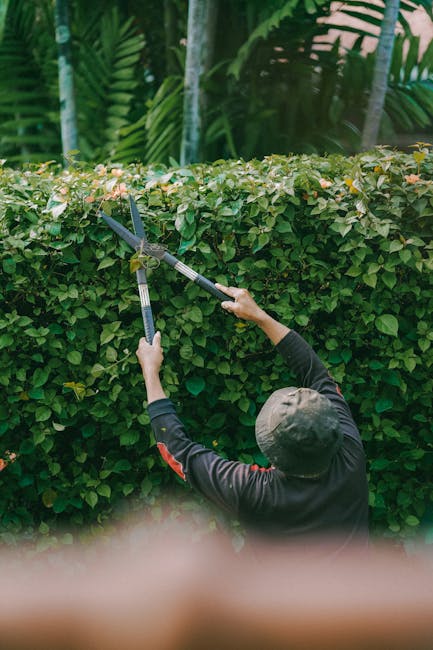
2. Treat hedges as living boundaries. A hedge is not just a green wall. It is a habitat, a privacy screen, and a long-term structure. If you cut it too hard, too late, or too often, it may stop looking full. If hedging is a big part of your plot, a dedicated hedge trimming Orpington service can be useful when the job needs a cleaner finish than you can comfortably manage yourself.
3. Don't let patios become invisible work. A patio can look clean from a distance while algae, leaf stains, and grime slowly build up. Cleaning it before it becomes slick is better than trying to restore it after it has gone green and slippery. For deeper upkeep, see patio cleaning.
4. Keep organic matter working for you. Grass clippings, prunings, and kitchen-safe green waste can often be turned into useful mulch or compost rather than bagged and forgotten. That said, diseased material and invasive growth need separate handling. For practical advice, read about turning garden waste into nutrient-rich soil.
5. Be honest about weather exposure. Orpington gardens still get battered by winds, cold snaps, and sudden dry spells. If your beds are open to the elements, it may be worth adjusting your plant choices, staking routine, or winter prep. The guidance on managing strong winds in the garden is a solid reference point.
6. Plan for the seasons, not the moment. A well-timed spring tidy is not the same as a late-autumn cutback. If you are unsure what to tackle before winter, the article on winterising garden plants gives a practical seasonal framework.
Common Mistakes to Avoid
This is where most avoidable problems start. Some mistakes are obvious, others are sneaky. The sneaky ones are usually the most expensive.
Cutting lawns too short
Scalping grass stresses the roots, encourages weeds, and makes the lawn more vulnerable in dry weather. It can also leave brown patches that take weeks to recover. A slightly higher cut is often healthier, especially during warm or unsettled spells.
Overwatering or watering at the wrong time
Many homeowners assume more water equals better results. Not quite. Saturated soil can suffocate roots and encourage fungal issues. Watering early in the day is usually more sensible than soaking beds late at night, though the exact need depends on the plant and the season.
Pruning at the wrong time
Some shrubs and hedges tolerate a trim almost anywhere. Others do not. Prune too early and you may lose flowers. Prune too late and you risk cutting back fresh growth that the plant needed to harden off. Timing matters, and for hedges especially, it can affect shape for months.
Ignoring weed roots
Pulling the top growth of weeds feels productive, but if the root remains, the problem returns. Persistent weeds often need repeat attention and, in some cases, a change in ground cover or soil management rather than more frantic tugging.
Letting ivy, brambles, or climbers get established in the wrong place
What starts as "a bit of green cover" can become a wall, fence, shed, or tree problem. It's not just about tidiness. Unchecked climbers can trap moisture, hide defects, and make repairs awkward. That is why it is worth spotting trouble early.
Using the wrong tool for the job
Hand shears, loppers, a mower, and a strimmer all solve different problems. Using the wrong one often creates rough cuts, damaged bark, or uneven results. If you only have time for one upgrade, a decent pair of sharp secateurs is hard to beat. A little boring, yes. Very useful, also yes.
Leaving debris against fences and walls
Moist debris left piled along boundaries can encourage rot, attract pests, and keep surfaces damp. It also makes it harder to spot early fence damage. If boundary repairs are already a concern, it may be worth exploring fencing support before the problem spreads.
Forgetting hard surfaces and edges
People often focus on the plants and forget the spaces around them. Edges, joints, and shaded paths matter because they affect safety and the overall look of the garden. One slimy path can spoil the feel of a whole outdoor space.
Tools, Resources and Recommendations
You do not need a shed full of kit to maintain a good garden, but the right basics make a huge difference. A lot of frustration comes from trying to do proper garden work with blunt or mismatched tools.
| Task | Helpful tool | Why it helps |
|---|---|---|
| Grass cutting | Mower with adjustable height | Prevents scalping and helps adapt to season and growth rate |
| Border tidy-up | Secateurs and hand fork | Makes it easier to remove dead growth and weeds cleanly |
| Hedge shaping | Hedge trimmer or long-handled shears | Supports straighter lines and safer reach |
| Weed control | Hoe, weeding tool, mulch | Helps remove roots and reduce regrowth |
| Patio upkeep | Outdoor brush and suitable cleaner | Keeps algae and surface grime under control |
| Soil care | Compost, mulch, and a simple spade | Improves structure and moisture retention over time |
For homeowners just getting started, a good overview of basic kit is the essential gardening tools guide. It's a practical reminder that the right hand tools can save a lot of time and wobbling around with half-broken kit.
It also helps to keep a realistic maintenance rhythm. For many gardens, that means weekly visual checks, a monthly deeper tidy, and seasonal tasks like mulching, hedge reshaping, and winter protection. If the garden is larger or has more complicated features, professional help may actually be the more efficient choice. The lawn care page is especially helpful if the grass is your biggest headache.
Law, Compliance, Standards and Best Practice
Most routine garden maintenance is simple common sense, but there are still a few UK best-practice points worth keeping in mind. They are not glamorous, but they matter.
Safety first. Use equipment in line with normal manufacturer guidance, wear suitable gloves and footwear, and be careful when working at height or near sharp tools. If a job looks awkward or unstable, it probably is.
Be cautious with waste. Garden waste should be disposed of responsibly. Diseased material, invasive plants, and contaminated debris should not be casually composted unless you know it is appropriate. In normal practice, separating waste streams is the safer route.
Watch boundary and tree issues. Overgrown hedges, roots, or branches can affect fences, sheds, and neighbouring spaces. If a tree seems unhealthy, unstable, or too large to manage safely, it is wise to consider professional help rather than trying to solve everything with a ladder and optimism.
Respect shared access and neighbours. Noise, overhanging growth, and debris drifting onto adjacent properties can cause avoidable tension. A tidy work area and a sensible schedule go a long way.
For more detail on service standards and care while work is being carried out, the site's health and safety policy and insurance and safety information are worth reading. If you are comparing providers or planning a larger job, it also helps to review pricing and quotes, terms and conditions, and payment and security so expectations are clear from the start.
Options, Methods, or Comparison Table
There is rarely just one way to maintain a garden properly. The better question is which method suits the space, the season, and the amount of time you actually have.
| Approach | Best for | Pros | Trade-offs |
|---|---|---|---|
| DIY weekly upkeep | Smaller or simpler gardens | Low cost, flexible, hands-on control | Time-consuming, easy to miss emerging issues |
| Monthly targeted maintenance | Busy homeowners with decent garden structure | Balances effort and results | Problems can build between visits if you're not observant |
| Seasonal tidy plus occasional help | Mixed-use gardens | Good for hedge work, lawn reset, heavy clearance | Requires discipline between visits |
| Regular professional maintenance | Large, mature, or demanding gardens | Consistent standards, saves time, easier planning | Higher ongoing cost than DIY |
There is no single "best" choice here. A small, low-maintenance garden may only need simple DIY care, while a mature plot with hedging, borders, and hard landscaping may benefit from occasional expert intervention. If you're not sure where your own garden sits on that scale, start by looking at what consumes most of your time. The answer is usually obvious by the third weekend in a row.
Case Study or Real-World Example
Here's a very typical Orpington-style scenario. A homeowner has a rear garden with a lawn, two mature hedges, a side return path, and a shaded corner where ivy and self-seeded growth have been allowed to creep for a couple of seasons. Nothing dramatic. Just a bit "we'll deal with it later."
By spring, the lawn is patchy near the path because it has been cut too low and walked over while wet. The hedge is uneven because it was clipped hard on one side and barely touched on the other. The patio has gone dull and slightly slick under leaf fall. The shaded corner is now the least pleasant part of the garden, and the fence underneath the climbers is impossible to inspect properly.
The fix is not a dramatic makeover. It is a sequence:
- raise the mowing height and avoid cutting wet grass
- restore hedge shape gradually rather than all at once
- clear the patio and treat the algae before it gets worse
- remove or reduce invasive climbers in stages
- use mulch or suitable planting to reduce weed pressure in the border
Within a month or two, the space feels calmer and easier to keep on top of. Not perfect. Gardens rarely are. But manageable. And that is usually what homeowners really want.
If a plot needs a wider reset, especially after years of uneven upkeep, you may also want to explore landscaping support or tree surgery when growth has become too heavy or unsafe for routine maintenance alone.
Practical Checklist
Use this quick checklist before and after your maintenance session. It keeps the work focused and reduces those annoying "I forgot that bit" moments.
- Check the lawn height before mowing.
- Remove obvious weeds, including roots where possible.
- Inspect hedges for uneven growth, nesting activity, or dead sections.
- Look for signs of moss, algae, or slippery patios.
- Lift fallen debris from beds, borders, and paths.
- Water only where the soil actually needs it.
- Do not prune everything just because it looks untidy.
- Clear around fences, sheds, and walls so damage stays visible.
- Review any climbers or invasive growth before they get out of hand.
- Put tools away clean and sharp so they are ready next time.
Quick reality check: if you are doing the same job every week because the garden keeps "reverting," that usually means the method needs changing, not your effort level.
Conclusion
Most garden maintenance mistakes are not caused by laziness. They come from timing errors, rushed decisions, or simply not realising how a small habit affects the whole space over time. In Orpington, where gardens often deal with mixed shade, heavier soils, wind, and a fair bit of seasonal mess, the smart approach is to stay consistent, cut carefully, and work with the garden rather than against it.
Once you stop mowing too low, overwatering, pruning at random, and ignoring the awkward corners, the garden becomes easier. Cleaner too. You notice more birds, more growth, fewer problems. And honestly, it feels better to look at in that quiet late-afternoon light when everything has been tidied just enough.
If you'd like expert help with getting your outdoor space back under control, or you want to compare options for ongoing upkeep, take a look at the services and guidance already available on the site. Sometimes a sensible bit of support is all a garden needs to feel like yours again.
Get a free quote today and see how much you can save.
Frequently Asked Questions
What are the most common garden maintenance mistakes homeowners make?
The most common mistakes are mowing too short, pruning at the wrong time, overwatering, ignoring weeds until they spread, and leaving patios or paths to become slippery. These are all easy to miss when you're rushing, but they add up quickly.
Why do Orpington gardens need different maintenance habits?
Local gardens often deal with mixed soil conditions, damp spells, wind exposure, mature planting, and varying levels of shade. That means a one-size-fits-all approach usually causes more issues than it solves.
How often should I mow my lawn in a typical UK garden?
It depends on growth rate, weather, and grass type, but the key is not to cut too much at once. A steady, moderate mowing pattern is usually healthier than letting the grass get long and then taking it down too hard.
Is it bad to prune hedges in the wrong season?
It can be. Some hedges tolerate flexible trimming, while others need a more careful schedule to avoid damaging flowers, new growth, or the overall shape. If in doubt, trim lightly and avoid major cuts during sensitive periods.
How do I stop weeds from coming back so quickly?
Pulling visible growth is only part of the job. Removing roots, improving ground cover, and using mulch where suitable all help reduce regrowth. If weeds keep returning, it may be a soil or spacing issue rather than just a clearance issue.
Should I water my garden every day in summer?
Not necessarily. Daily watering can encourage shallow roots and waste water. Many plants do better with deeper, less frequent watering, but the exact routine depends on the weather, plant type, and whether the soil is in a border or a container.
What should I do if ivy or climbers are damaging a wall or fence?
Act early and remove growth carefully, especially if it has been in place for a while. Climbing plants can hide defects and keep surfaces damp. A staged approach is often safer than ripping everything off in one go.
Is professional garden maintenance worth it for a small garden?
Yes, it can be. Small gardens can still have tricky hedges, awkward access, damaged edging, or persistent weeds. Professional help is often most worthwhile when a task is fiddly, repetitive, or beyond your available time.
How can I keep patios and paths safer through wet weather?
Regular cleaning is the main thing. Clear leaves, remove algae and grime, and keep edges free from debris. A surface that looks "just a bit dull" can actually be more slippery than it appears.
What tools do I really need for basic maintenance?
A mower, secateurs, hand fork, sturdy gloves, a weeding tool, and a good brush are enough for most routine jobs. Beyond that, the right extras depend on whether your garden is more lawn-heavy, hedge-heavy, or border-heavy.
When should I call in a professional instead of doing it myself?
If the job involves height, heavy overgrowth, unstable trees, stubborn boundary growth, or surfaces that are unsafe to work on, professional help is usually the better choice. It often saves time and avoids expensive mistakes.
How do I know whether my garden needs a tidy-up or a full reset?
If the problems are mostly surface-level, such as weeds, uneven hedges, or dull paths, a tidy-up may be enough. If the lawn is thinning, boundaries are overgrown, and the layout no longer works, a bigger reset or landscaping review may be smarter.
Where can I learn more about safer, better garden upkeep?
You can explore the site's related guides on lawn care, hedge trimming, plant protection in harsh weather, and low-maintenance planting. The right advice usually depends on the exact problem in front of you, not just the season.