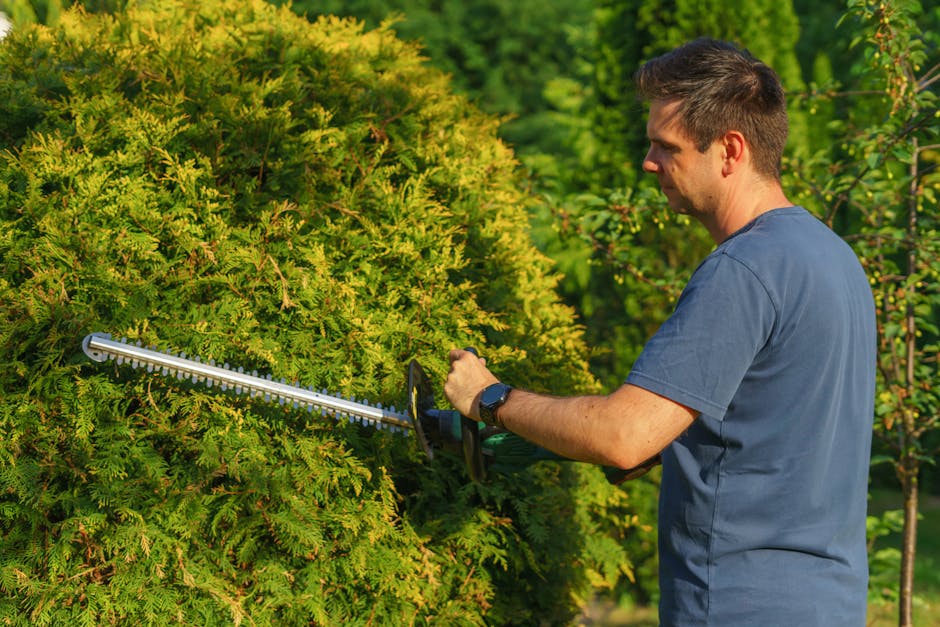
Gardeners Orpington Same Day Hedge Trimming BR6: Fast Local Help When Your Hedges Need Attention Today
If your hedge has suddenly become too wide, too tall, or just plain untidy, you probably do not want to wait a week or two for it to be sorted. That is where Gardeners Orpington same day hedge trimming BR6 becomes useful. It is the kind of service people look for when a boundary hedge is blocking light, a front garden starts looking neglected, or a quick tidy-up is needed before visitors arrive. Truth be told, hedges have a habit of looking fine one day and a little unruly the next.
This guide explains how same day hedge trimming works in Orpington, what to expect, who it suits best, and how to get better results from a fast turnaround. You will also find practical tips on hedge care, safety, pricing factors, and local best practice, along with useful internal resources for broader garden work such as regular garden maintenance, hedge trimming in Orpington, and pricing and quotes.
Why Gardeners Orpington same day hedge trimming BR6 Matters
Same day hedge trimming matters because hedges are not just decorative. They shape kerb appeal, privacy, light, airflow, and the overall feel of a garden. When a hedge gets away from you, it can quickly make a property look less cared for, even if everything else is tidy. A neat hedge sends a simple message: the garden is looked after.
In BR6, where gardens range from compact front plots to larger suburban boundaries, timing can be everything. A hedge that spills into a pathway, leans over a drive, or shades out a border can create small daily frustrations. You notice it when the bins scrape past. You notice it when the kitchen feels darker. You notice it when you are trying to open a gate with one arm full of shopping. Small things, but they add up.
There is also the health side of it. Regular trimming helps many hedges keep a denser shape and reduces the chance of woody, thin growth. It is not magic, of course, but it does help keep the hedge balanced and manageable. If the hedge is part of a wider tidy-up, it may make sense to look at lawn care or even patio cleaning at the same time, so the whole garden feels reset rather than just one corner.
Expert summary: Same day hedge trimming is most valuable when the hedge is causing a real practical problem, not just a minor cosmetic one. The best jobs are the ones where the work restores light, access, and balance in one visit.
How Gardeners Orpington same day hedge trimming BR6 Works
The process is usually straightforward, but a proper same day visit still needs a bit of coordination. A good gardener will want to know the hedge type, approximate height and length, whether it needs shaping or just reduction, and if there are access issues. That might sound a bit fussy, yet it saves time later. Nobody wants to arrive with the wrong ladder, the wrong saw, and three more questions at the gate.
In practice, the same day workflow often looks like this:
- Initial enquiry: You explain the hedge problem, location, and how urgently it needs doing.
- Quick assessment: The gardener checks whether the hedge can be trimmed safely on the day.
- Arrival and setup: Tools are brought in, the work area is made safe, and any fragile plants or fixtures nearby are protected.
- Trimming and shaping: The hedge is cut back, neatened, and shaped to suit the garden.
- Clear-up: Arisings are collected, paths are swept, and the space is left tidy.
For heavier jobs, a same day visit may focus on the most urgent work first: reducing overgrowth, restoring access, and making the hedge safe or presentable. A fuller reshaping can follow later if the hedge needs a more considered approach. That is often the most sensible route, especially if the hedge has been neglected for a while. If you are not sure what the hedge needs, browsing a guide like creative hedge trimming shapes can help you think about style as well as function.
Key Benefits and Practical Advantages
The biggest benefit is obvious: speed. But the real value of same day hedge trimming is broader than that. A timely trim can improve appearance, reduce nuisance, and stop small issues turning into bigger ones.
- Immediate kerb appeal: A neat hedge sharpens the whole look of the property, even if the rest of the garden is a work in progress.
- Better access: Paths, gates, driveways, and bin storage areas become easier to use.
- More light: A heavy hedge can cast a surprising amount of shade, especially in smaller gardens.
- Reduced wind drag: A compact hedge often behaves better in blustery weather than one that has become loose and leggy.
- Less risk of complaints: If branches are encroaching on boundaries or public space, dealing with them quickly can save bother later.
There is also a psychological benefit, and people do not always admit this. A tidy hedge can make the whole garden feel calmer. You step outside in the morning, see clean lines rather than a shaggy wall of green, and the place feels more intentional. Rather nice, actually.
If the hedge is part of a privacy scheme, you might also find it useful to compare your options with quick-growing hedges for privacy. That helps if you are planning not just a trim, but a longer-term boundary strategy.
Who This Is For and When It Makes Sense
Same day hedge trimming is not for every situation, but it is a very good fit for certain ones. In our experience, the people who get the most value are those facing a practical deadline or a visible problem.
- Homeowners preparing for guests or photos: If you want the front of the house to look cared for, a quick hedge tidy can make a huge difference.
- Busy families: Hedgerows that narrow paths or block sightlines can become a daily annoyance.
- Landlords and letting agents: Fast trimming helps maintain presentation between tenancies or before inspections.
- Older gardens with overgrown boundaries: A hedge that has crept too far outward often needs prompt attention before it becomes harder to manage.
- People dealing with sudden weather effects: Strong wind can loosen or unevenly bend hedge growth; one of the best next reads is strategies for managing strong winds in your garden.
When does it make less sense? If the hedge is very tall, structurally unstable, full of nesting birds, or badly intertwined with another plant, a same day visit may need to be scaled back. That is not a failure; it is just good judgement. Sometimes fast and careful is better than fast and reckless. Let's face it, no one wants a rushed cut that leaves the hedge lopsided for the next six months.
Step-by-Step Guidance
If you want the smoothest possible same day service, a bit of preparation goes a long way. Here is a practical way to handle it.
- Describe the hedge clearly. Mention length, height, whether it is one side or both sides, and if you want a light trim or a heavy reduction.
- Share the access details. Note side passages, locked gates, narrow driveways, parked cars, or anything else that might slow work down.
- Point out risks. Tell the gardener about hidden wires, nearby ponds, delicate borders, uneven ground, or thorny sections.
- Confirm your priorities. Is the goal privacy, light, neatness, or boundary clearance? That changes how the hedge should be cut.
- Prepare the space. Move garden furniture, toys, washing lines, and vehicles if you can do so safely.
- Check disposal expectations. Ask whether clippings will be removed or bagged for you.
- Review the finish. Once the work is done, look at the hedge from the street and from the garden. The view is often different from each side.
A useful habit is to think of the hedge in thirds. If only the top has gone wild, a lighter cut may be enough. If the sides are bulging out and the base is sparse, then you may need a broader reshape over time. This is where experience matters, because hedges are not all the same, despite what people assume on a quick glance.
For a broader understanding of tools and upkeep, see essential gardening tools that every enthusiast should own. It is surprisingly useful if you like to know what good practice looks like, even when you are hiring someone else to do the job.
Expert Tips for Better Results
Fast hedge trimming does not have to mean sloppy hedge trimming. A good result depends on small decisions made before, during, and after the cut.
1. Trim with the hedge's shape in mind
Most hedges look best slightly narrower at the top than the bottom. That lets light reach the lower growth and helps prevent the dreaded bare leggy base. A tiny angle can make a big difference. Very small, but important.
2. Avoid overcutting in one visit
If a hedge has been left too long, removing too much at once can shock it or expose awkward gaps. A more gradual reduction is usually safer for plant health and appearance.
3. Work with the season
The right timing depends on hedge species and current growth. Heavy cuts in the wrong season can leave a hedge vulnerable, and that is especially relevant if bad weather is coming. If you are thinking ahead, winterizing your garden plants is a solid companion read.
4. Protect the rest of the garden
Branches, clippings, and tool movement can disturb nearby plants. A careful gardener will shield borders, check for nesting or sheltering wildlife, and avoid crushing soft growth. If your hedge sits near climbers or shaded corners, evergreen climbers for shade may be useful context.
5. Keep a long-term schedule
Truth be told, the best hedge is usually the one that never gets out of hand in the first place. Regular maintenance is cheaper, easier, and less stressful than emergency tidy-ups. A quick visit every so often is much kinder to the hedge and your weekend.
Common Mistakes to Avoid
Same day jobs can go wrong when people rush the wrong part of the process. The cut itself is only one piece of the puzzle.
- Waiting until the hedge is far too large: A hedge that has become overgrown may need staged work rather than one big cut.
- Forgetting wildlife checks: Hedges can shelter nesting birds or other small animals, especially in spring and summer. Careful inspection matters.
- Using the wrong finish line: Some people want a hard formal line when the hedge would look better slightly softer and more natural.
- Ignoring cleanup: A trimmed hedge with clippings left everywhere is half a job, really.
- Cutting too close to the property boundary: That can create awkward disputes or leave the hedge looking ragged.
- Overlooking the base: Most people focus on the top. Yet the lower part often determines whether the hedge still looks healthy.
A small but common mistake is assuming all hedge work is visual only. In reality, the job affects access, moisture, airflow, light, and garden use. Miss those factors, and the hedge may look neat for a week but cause annoyance for months. Bit of a trap, that.
Tools, Resources and Recommendations
If you are curious about what professional trimming usually involves, the basics are fairly familiar: sharp hedge trimmers, secateurs, loppers, a pruning saw, protective gloves, eye protection, and proper waste bags or collection equipment. For larger or taller hedges, stable access equipment and an experienced hand matter even more than the cutting tools themselves.
For homeowners who like to support ongoing improvement rather than one-off fixes, the following resources on the site are especially helpful:
- broader gardening services for multi-task garden care
- garden maintenance planning if your hedge is part of a larger tidy-up
- lawn mowing when the whole front or back garden needs balancing
- about the team if you want to understand the service approach
- insurance and safety for peace of mind around working practices
And if you like keeping the garden low-fuss, it can help to pair hedge work with ideas from budget-friendly low-maintenance garden ideas. Not every garden needs constant fussing. Some just need the right structure.
Law, Compliance, Standards, or Best Practice
Hedge trimming in the UK is usually governed more by sensible best practice than by one single rulebook, but there are still important points to keep in mind. Careful gardeners typically check for nesting birds and avoid damaging wildlife habitat. They also work safely around boundaries, overhead hazards, and awkward access points.
If a hedge borders a pavement, drive, or shared access route, it should be trimmed in a way that does not create a hazard. That sounds obvious, but in real gardens the details matter: low branches over a path, clippings left underfoot, or uneven cuts that restrict visibility. A professional approach keeps all of that under control.
Good practice also means respecting neighbouring property. Overhanging growth is one of those small domestic issues that can snowball if ignored. Best to handle it calmly, trim responsibly, and leave the line of the hedge neat rather than aggressive. If there is any uncertainty about access, complaints, or how a job will be handled, the site's complaints procedure, terms and conditions, and health and safety policy help set expectations. For payment questions, see payment and security.
When the hedge work is urgent and involves uncertain risks, it is better to slow down than to guess. There is no prize for rushing past safety.
Options, Methods, or Comparison Table
Not every hedge job needs the same approach. The right method depends on hedge type, growth level, and the result you want.
| Method | Best for | Pros | Limitations |
|---|---|---|---|
| Light tidy trim | Recently maintained hedges | Quick, neat, low stress for the plant | Won't solve serious overgrowth |
| Shape correction | Hedges that have drifted out of line | Improves structure and appearance | May need follow-up visits |
| Reduction cut | Overgrown hedges blocking light or access | Restores space and usability | Can be more labour-intensive |
| Staged renovation | Old, woody, neglected hedges | Safer for the plant over time | Slower to reach the final look |
If your garden needs more than hedge work, there are other sensible combinations. For example, hedge trimming plus fencing can improve boundary definition, while hedge trimming plus landscaping can reshape the wider space. A one-off cut is fine. A coordinated plan is better.
Case Study or Real-World Example
Here is a typical local scenario. A homeowner in BR6 notices that the front hedge has grown across the path after a burst of summer growth and a windy spell. The gate is still usable, but just barely. The hedge is also shading the front window more than usual, making the room feel a bit gloomy in the morning.
They need the job done quickly because guests are visiting that evening. A same day hedge trim is arranged. On arrival, the work is assessed first: the hedge is not being ripped back hard, just reduced and tidied so the walkway is clear and the shape is balanced. The clippings are collected, the pavement edge is cleaned up, and the front of the house immediately looks brighter. Simple job on paper, but it changes how the whole property feels.
What made the difference? Not just speed. The important part was choosing the right level of cut. A heavy reduction would have been unnecessary and risky. A careful, clean trim gave the property back its breathing room. That is often how good hedge work goes. Quietly effective.
If the hedge had been covered in ivy or tangled growth, it might have needed more than trimming alone. In that case, it can be useful to look at ivy removal advice before deciding what needs cutting and what needs clearing.
Practical Checklist
Use this quick checklist before booking or receiving a same day hedge trim.
- Confirm the hedge location and which sides need work.
- Decide whether you want a light tidy, a shape correction, or a larger reduction.
- Check access through side gates, driveways, and narrow passages.
- Move fragile items, toys, furniture, and vehicles if practical.
- Let the gardener know about ponds, wires, or tricky obstacles.
- Ask what happens to the clippings.
- Consider whether adjoining tasks should be done at the same time.
- Walk around the hedge after the job and inspect the finish from different angles.
- Plan the next maintenance visit before the hedge gets away from you again.
If your garden also needs a cleaner, calmer feel after the hedge work, you might find inspiration in creating perfect garden seating areas or designing a zen garden. Different goals, same idea: make the space easier to enjoy.
Conclusion
Gardeners Orpington same day hedge trimming BR6 is about more than speed. It is about restoring order when a hedge has become too much, too visible, or too inconvenient to leave for later. A good same day service should leave the hedge neater, the garden easier to use, and the whole property feeling more under control.
The best results usually come from clear communication, sensible expectations, and a focus on the hedge's health as well as its appearance. Sometimes the job is a quick tidy. Sometimes it is the first step in a longer recovery. Either way, a clean boundary can make the whole garden feel better, and that matters more than people think.
If you are weighing up urgency, safety, and cost, the next sensible step is to ask for a straightforward assessment and explain exactly what the hedge is doing wrong. That is often enough to turn a stressful overgrowth situation into a simple, manageable visit.
Get a free quote today and see how much you can save.
Frequently Asked Questions
Can hedge trimming really be done the same day in BR6?
Yes, in many cases it can. Same day hedge trimming works best when the hedge is accessible, the job is clearly described, and the work is a trim or tidy rather than a complex renovation.
What details should I give when I ask for urgent hedge trimming?
Share the hedge height, length, location, access details, and what outcome you want. It also helps to mention whether you need a light tidy, a full reduction, or just a boundary clearance.
Is same day hedge trimming suitable for very tall hedges?
Sometimes, but not always. Very tall hedges may need extra equipment, more time, or a staged approach. Safety and access matter more than speed on those jobs.
Will a same day visit include waste removal?
That depends on the arrangement. Many customers expect clippings to be collected, but it is worth confirming before the job starts so there are no surprises.
How do I know whether my hedge needs trimming or cutting back harder?
If the hedge just looks untidy, a trim may be enough. If it is blocking light, narrowing a path, or breaking its shape badly, a stronger reduction might be needed. A good gardener will help judge that.
Can hedge trimming damage the plant?
It can if it is done too aggressively, at the wrong time, or with poor technique. A careful trim usually supports healthier, denser growth over time.
Should I trim my hedge before or after bad weather?
If strong wind or heavy rain is expected, it may be better to wait unless the hedge is causing a safety issue. Light, unstable growth can sometimes be more vulnerable after a rough cut.
What if my hedge has ivy growing through it?
Ivy can complicate trimming because it may be tangled through the hedge structure. In those cases, separate clearance work may be needed first, or alongside the trim, depending on how established it is.
How often should hedges be maintained after a same day trim?
That depends on the hedge type and growth rate, but regular maintenance is usually better than waiting for another emergency. A modest schedule keeps the work easier and the hedge healthier.
Do I need to be home for the hedge trimming visit?
Usually yes, at least at the start, so access and expectations can be confirmed. Some jobs may be handled more flexibly, but it is safer to be available for the initial handover.
What should I do if the hedge is close to my neighbour's boundary?
Be clear about which side you want trimmed and avoid assumptions. Boundary hedges can be sensitive, so a careful, respectful approach is always best. It saves awkwardness later, which is never a bad thing.
Can hedge trimming be combined with other garden jobs?
Yes, and that often makes sense. If the garden needs a broader tidy-up, combining hedge trimming with garden maintenance, lawn care, or even patio cleaning can make the whole space feel finished rather than partly done.