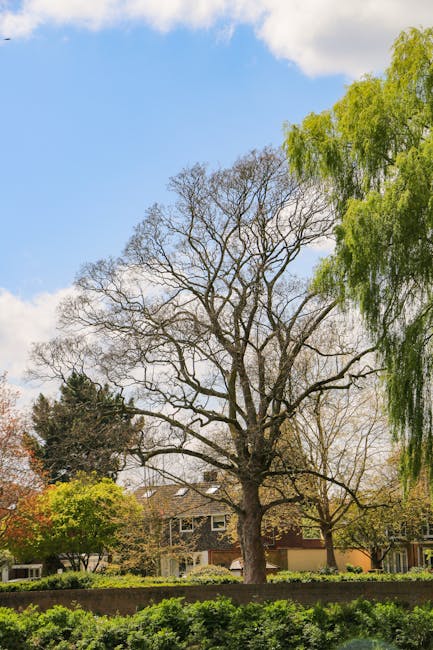
Tree work permits Bromley Council rules for Orpington gardens
If you are planning tree work in Orpington, the paperwork can feel oddly bigger than the job itself. A small prune suddenly becomes a question of consent, protected trees, neighbours, access, nesting birds, and whether the council needs to be told first. That is exactly why understanding Tree work permits Bromley Council rules for Orpington gardens matters before you touch a saw, book a contractor, or even decide whether a branch can be removed at all.
This guide breaks it all down in plain English. You will learn when permission may be needed, how the process usually works, what homeowners often miss, and how to plan tree work without creating avoidable hassle. If you want the practical version, not the jargon-heavy one, you are in the right place.
- Why it matters
- How it works
- Key benefits and practical advantages
- Who this is for and when it makes sense
- Step-by-step guidance
- Expert tips for better results
- Common mistakes to avoid
- Tools, resources and recommendations
- Law, compliance, standards, or best practice
- Options, methods, or comparison table
- Case study or real-world example
- Practical checklist
- Conclusion
- Frequently asked questions
Why Tree work permits Bromley Council rules for Orpington gardens Matters
Tree work is not just a gardening task. In many parts of Bromley, including Orpington, trees can be protected by planning controls, conservation area rules, or specific conditions attached to a property. That means the same work that looks routine in one garden may need permission in another. Easy to miss? Very. Expensive to get wrong? Also yes.
The main issue is that trees are often part of the local landscape, not just private property. A mature oak, lime, beech, or even a smaller ornamental tree can contribute to privacy, shade, character, and biodiversity. Councils therefore tend to treat tree removal, heavy pruning, and major surgery with care. If you cut back the wrong tree without checking, you could face delays, enforcement issues, or a requirement to restore the tree's condition. Nobody wants that after a wet Saturday morning with ladders in the drive.
For Orpington homeowners, this matters for three reasons:
- Compliance: some work needs consent before it starts.
- Property value: healthy, well-managed trees often add appeal and structure to a garden.
- Safety: poor pruning can make a tree weaker, not safer.
There is also a practical reality. Many tree jobs are time-sensitive. Storm damage, dead limbs, blocked light, or overhanging branches can all create pressure to act quickly. The trick is to respond quickly and correctly. That balance is what this article is really about.
If your wider garden is due for a tidy-up at the same time, it can help to coordinate the work with garden maintenance or, where larger debris is involved, garden clearance. That keeps the job tidy and avoids a second visit just to remove branches and mulch bags.
How Tree work permits Bromley Council rules for Orpington gardens Works
The exact permission route depends on what tree you have, where it is, and what you want to do. In general, the council may need to be informed if the tree is protected by a Tree Preservation Order, sits in a conservation area, or is otherwise subject to planning control. The details can vary, so it is wise to check the status first rather than assume a hedge-height trim is automatically free of rules. It often is not that simple.
Here is the broad pattern most homeowners encounter:
- Identify the tree: species, size, location, and whether it is on your land or close to a boundary.
- Check for protection: a tree may be protected individually or because the property is within a conservation area.
- Describe the proposed work: pruning, crown thinning, crown reduction, felling, stump removal, or deadwood removal all have different implications.
- Wait for confirmation or the relevant notice period: the council may need to review the proposal before work begins.
- Use a competent contractor: especially for large trees, awkward access, or work near buildings, fences, or services.
To be fair, what catches people out most is the difference between maintenance and alteration. A light tidy-up may be fine; a substantial reduction or removal may not be. Also, tree work done for one reason can have knock-on effects elsewhere. For example, if a tree is opened up too aggressively, more wind can pass through, which is not always an improvement. The tree may look smaller, but it can also become stressed.
A good rule of thumb: if the work changes the overall shape, height, structure, or long-term future of the tree, stop and check first. If you are dealing with a tree near fencing or a paved seating area, it may also be useful to look at nearby elements such as fencing or patio cleaning, because once the branches come down, the rest of the garden often looks a bit more obvious. Slightly unforgiving, that.
Key Benefits and Practical Advantages
Following the correct council process is not only about staying on the right side of rules. It also tends to make the work better. That sounds obvious, but plenty of people still rush the decision and regret it later.
- Lower risk of enforcement problems: proper checks help you avoid unauthorised works.
- Better tree outcomes: the right method supports long-term health instead of just a quick visual fix.
- Clearer contractor brief: everyone knows whether consent, notices, or special care is needed.
- Safer worksite: planning ahead reduces surprises around access, fall zones, and nearby structures.
- Better budget control: if permissions or extra protection are needed, you can factor them in early.
There is also a quieter benefit: peace of mind. Once you know what is allowed, what needs checking, and what should be left alone, the whole project becomes far less stressful. A lot of homeowners say the tree work itself is not the problem; it is the uncertainty beforehand. Fair enough. Uncertainty is tiring.
When tree work is combined with broader garden improvements, you can get a more cohesive result. For example, if a canopy is reduced and more sunlight reaches the garden, lawn care may become more effective, and any new planting or layout changes may work better. In that case, services like lawn care or landscape gardening can help you make the most of the improved light.
Who This Is For and When It Makes Sense
This topic matters to a wide range of people in Orpington, not just those with very large gardens. In practice, it is relevant if you are:
- a homeowner planning to prune, reduce, or remove a tree;
- a landlord managing a garden before a new tenancy;
- a seller trying to tidy the property before marketing it;
- a buyer checking what tree work may be needed after completion;
- someone dealing with a damaged, diseased, or dangerous tree;
- or simply a careful gardener who would rather not find out the hard way.
It also makes sense when the tree is close to a boundary, overhangs a neighbour's land, shades a room heavily, or sits in a very visible part of the garden. Some people first notice a tree issue because the lawn struggles in shade. Others notice because leaves fill the gutters every week, or because a heavy branch is scraping roof tiles on windy nights. That sound, by the way, is never reassuring.
There is one more group: people planning wider garden redesigns. If you are thinking about new structures or screening, the tree may affect what is possible. In those cases, it helps to consider the bigger picture and look at services such as landscaping or even decking services, because tree placement can influence shade, drainage, and usable space.
Step-by-Step Guidance
If you want a simple route through the process, use this approach. It is not glamorous, but it works.
- Inspect the tree carefully. Look for dead limbs, split branches, decay, lifting roots, or fungal growth. If anything looks suspicious, do not guess.
- Check the property context. Is the tree within a conservation area? Is it likely to be protected? Is it near shared boundaries or structures?
- Define the exact work. Write down whether you want pruning, crown thinning, crown reduction, deadwood removal, or complete removal. Specifics matter.
- Gather photos. Clear images from several angles make it easier to explain the issue and help avoid misunderstandings.
- Ask about permission before work starts. If the tree is protected, the council process should be understood before anyone sets foot in the canopy.
- Choose the right contractor. Look for competence, insurance, and a sensible approach to safety and waste handling.
- Plan the clean-up. Large branches, chips, and brash can take up more space than expected. Branches always seem to multiply once they hit the ground.
- Schedule follow-up care. Some trees need aftercare, inspection, or minor maintenance after pruning.
A practical tip: if your garden access is tight, make that clear at the start. Side passages, narrow gates, sheds, paving, and nearby planting can all change how the work is done. If a contractor has to carry heavy timber through a tricky route, it affects time, safety, and the final tidy-up. That is where experience really shows.
Expert Tips for Better Results
Here are the habits that usually separate a smooth job from a messy one.
1. Keep the request narrow and specific
Do not ask for a tree to be "just made smaller" if you can avoid it. Say what bothers you: too much shade, dead branches, overhanging growth, or obstruction of a path. Specific problems lead to better recommendations.
2. Don't treat every tree as the same
Different species respond differently to pruning. Some tolerate reduction better than others. A careful contractor will think in terms of structure and health, not just appearance. That matters more than people realise.
3. Think about the whole garden, not just the tree
One overgrown tree can dominate a small garden, but removing it might expose weak grass, patchy beds, or tired boundaries. Sometimes the smarter move is a softer reduction plus some wider improvements, such as hedge trimming or a general refresh through gardening services.
4. Be honest about the outcome you want
If you are trying to improve light for a seating area, say so. If you want to protect privacy from neighbours, say that too. Tree work is often about balancing competing aims, and the more honest the brief, the better the plan.
5. Check timing carefully
In spring and early summer, bird nesting can become a real practical issue. That does not automatically stop every job, but it does mean timing and caution matter. The same goes for wet winter ground, where access can get messy quickly.
Expert summary: The best tree work in Orpington is rarely the most aggressive. It is the work that respects the tree's condition, meets council requirements where needed, and improves the garden without creating a new problem two months later.
Common Mistakes to Avoid
These are the errors that cause the most avoidable headaches.
- Starting work before checking protection: this is the big one. Never assume.
- Over-pruning: a hard cut can leave a tree stressed and ugly, and sometimes unsafe.
- Using vague language with contractors: "sort the tree out" is not enough.
- Ignoring access issues: narrow side entrances and parked cars can turn a quick job into a slow one.
- Forgetting waste removal: the garden can look worse after the cut if no disposal plan is in place.
- Choosing the cheapest option blindly: low quote, low detail, high risk. Not always, but often enough to be worth saying.
- Assuming neighbour permission replaces council checks: it doesn't.
A smaller but common mistake is over-relying on the appearance of the tree. A tree can look "fine" from the patio and still have structural issues, internal decay, or storm-damaged limbs hidden in the canopy. That is why a visual once-over from ground level is only ever part of the picture.
If the job produces a lot of material, make sure the contractor can handle removal properly or incorporate it into the plan. A tidy finish is not a luxury; it is part of the job.
Tools, Resources and Recommendations
You do not need a van full of specialist kit to understand the basics, but you do need the right information and a few practical tools.
- Camera or phone: take dated photos before any work or inspection.
- Notebook or notes app: record tree location, size, and what you want done.
- Measuring tape: useful for checking access widths, fence gaps, and proximity to structures.
- Garden plan or rough sketch: especially handy if several trees or boundaries are involved.
- Contractor insurance details: ask before agreeing to any work near buildings, glass, or hard landscaping.
For a typical Orpington garden, the useful resources are often less about technical gadgets and more about sensible planning. A clear quote, a simple scope of work, and an understanding of aftercare go a long way. If you want to compare costs, a transparent approach through pricing and quotes can help you judge whether the job is straightforward or likely to need more care.
It is also smart to think about how tree work fits into the rest of the garden. If the area beneath the canopy is going to be re-used after pruning, you may want to factor in lawn mowing, planting, or even ongoing garden maintenance. A clean, manageable garden is usually the end goal, not just a lighter crown.
Law, Compliance, Standards, or Best Practice
Tree work in and around Bromley is shaped by planning law, local controls, and accepted arboricultural good practice. The exact rules depend on the tree's protection status, the nature of the work, and whether the property sits in a conservation area. Because these details can change from case to case, the safest approach is always to verify the situation before work begins.
From a best-practice point of view, the following principles apply widely:
- Do not damage protected trees without proper authority.
- Use proportionate pruning methods. The aim is usually to reduce risk or improve management, not to shock the tree.
- Respect nesting birds and wildlife. Timing matters, and so does observation.
- Work safely around structures and services. Rooflines, walls, fences, sheds, glass, and buried utilities all deserve caution.
- Keep records. Photos, quotes, and written descriptions can be useful if questions come up later.
Best practice also means honest communication. If a tree looks unsafe, say so. If there is uncertainty around consent, say that too. There is no award for bluffing your way through a tree job, and frankly it rarely ends well.
For larger or more technical trees, a specialist approach is usually the sensible route. If you are weighing heavier work, tree surgery is generally the better fit than casual cutting, especially where tree health and structure matter. Where a full removal is being considered because of decay, repeated damage, or development plans, tree lopping and removal may be relevant, though the first question should still be whether the work is allowed.
Options, Methods, or Comparison Table
Not every tree issue needs the same response. The right method depends on what the tree is doing, what the garden needs, and whether the council controls apply. Here is a simple comparison.
| Method | Best for | Typical upside | Main caution |
|---|---|---|---|
| Light pruning | Minor obstruction, tidy-up, small balance issues | Quick improvement with lower impact | Can be too little if the tree is already causing structural issues |
| Crown thinning | Letting more light and air through without changing the height too much | Often a subtle, practical result | Needs skill to avoid an uneven canopy |
| Crown reduction | Reducing overall spread or height | Can improve clearance and manage dominance | Too much reduction can stress the tree |
| Deadwood removal | Safety and maintenance | Improves safety without major change | May not solve wider structural concerns |
| Full removal | Severe damage, disease, or unavoidable conflict with site use | Removes the immediate issue | Often the most regulated option and may need permission |
In many Orpington gardens, the best result comes from the least dramatic option that still solves the problem. A tree that casts shade at 4 p.m. in June may only need a thoughtful reduction, not the saw-to-stump treatment. Very different outcomes, very different consequences.
Case Study or Real-World Example
Here is a realistic example from the kind of garden situation people raise most often.
A homeowner in Orpington notices that a mature tree at the end of the garden is blocking afternoon light and dropping heavy leaf litter onto the lawn and patio. The instinct is to remove it completely. But after checking the tree's context, it turns out the tree is part of the character of the property and may be subject to local controls. Instead of rushing into removal, the homeowner first documents the tree, checks the likely status, and asks for advice on a lighter solution.
The final plan ends up being more measured: selective pruning, deadwood removal, and a tidy-up of the surrounding garden. The patio is cleaner, the lawn gets more light, and the tree stays stable. No drama. No enforcement headache. Just a better result.
That sort of outcome is common when people slow down for one day before starting. It sounds dull, but dull is underrated in compliance work. If you are already planning broader improvements after the tree work, the open space may suit landscape gardening or a simple refresh with patio cleaning. Sometimes one sensible decision opens up three others.
Practical Checklist
Use this checklist before booking tree work or starting any cut.
- Identify the tree species if you can.
- Check whether the tree is protected or in a conservation area.
- Write down the exact work you want done.
- Take clear photos from several angles.
- Look for signs of decay, deadwood, cracking, or instability.
- Consider nesting birds and seasonal timing.
- Check access for tools, waste, and ladders.
- Ask whether the contractor is insured and experienced.
- Confirm how arisings and debris will be removed.
- Keep a copy of any permission, notice, or written approval.
- Plan follow-up garden tidy-up if needed.
- Do not begin until you are satisfied the work is allowed.
If you want the easiest route, treat the checklist like a calm pause before action. One cup of tea, one proper look, then decide. It saves headaches later. Usually.
Conclusion
Understanding Tree work permits Bromley Council rules for Orpington gardens is really about avoiding preventable mistakes and protecting both your garden and your peace of mind. The right approach is simple enough: check the tree's status, define the work clearly, respect local controls, and choose a contractor who works carefully rather than quickly for its own sake.
For many homeowners, the best outcome is not a dramatic removal. It is a balanced solution that improves light, safety, and garden usability without creating a new problem down the line. And when the work is done properly, the whole garden tends to feel calmer, brighter, and easier to enjoy. That's the bit people remember.
If you are ready to plan the work properly, start with a clear quote, a sensible scope, and an honest conversation about what the tree actually needs.
Get a free quote today and see how much you can save.
Frequently Asked Questions
Do I always need permission to carry out tree work in Orpington?
No, not always. Some minor work may be possible without formal permission, but protected trees, conservation areas, and certain forms of pruning or removal can trigger council involvement. Check first rather than assuming.
What counts as tree work under Bromley Council rules?
Tree work can include pruning, crown reduction, crown thinning, deadwood removal, pollarding, lopping, felling, and stump-related work. The exact classification matters because different types of work can fall under different controls.
How do I know if a tree is protected?
You usually need to check whether it has a Tree Preservation Order or sits in a conservation area. If you are unsure, look closely at the property context and ask before any cutting begins.
Can I cut back a neighbour's overhanging branch?
You may be able to cut back overhanging growth to the boundary, but that does not override tree protection or make the work automatically okay. It is safer to confirm the tree's status first, especially if the branch is large or the tree appears protected.
What happens if I do tree work without permission?
If consent was required and work starts without it, you could face enforcement issues and be required to explain or rectify the work. The risk is not worth it, especially when a quick check could avoid the problem.
Is deadwood removal usually allowed?
Deadwood removal is often treated more leniently because it can improve safety, but you should still confirm the rules for the specific tree. It is always better to verify than to guess.
How long does council approval take?
That depends on the exact process and the nature of the tree work. Some cases need notice periods, while others require a more formal review. Allow time in your schedule so you are not forced into a rushed decision.
Should I use a tree surgeon instead of a general gardener?
If the tree is large, protected, structurally complex, or close to buildings, a specialist is usually the safer choice. General garden work is useful, but tree work often needs more technical judgement.
What is the safest time of year for tree work?
It depends on the tree and the work needed. Weather, nesting birds, and soil conditions all matter. A dry, calm period is often easier to work in, but there is no one-size-fits-all answer.
Can tree work improve my garden layout?
Yes. Better light and reduced canopy pressure can make planting, lawn care, seating areas, and even future landscaping much easier. Tree work often changes how the whole garden functions, not just how it looks.
What should I ask a contractor before booking?
Ask what exactly they recommend, whether they have relevant insurance, how they handle waste, and whether they understand council requirements. Clear answers usually tell you a lot. Vague answers, not so much.
What if I am only trimming a small amount?
Even small jobs can be affected by tree protection rules. A modest trim may be fine, but it is still worth checking if the tree is in a protected area or looks subject to control.